
“Recently did work on our house (new siding and added a portico). They did a great job, were courteous, professional and very fair with pricing. Would highly recommend.”
Services
Every renovation, one accountable crew.
Glenn and the same full-time crew handle each trade through finish work, kitchens, baths, basements, paint, flooring, full home renovations, and the small repair jobs other contractors won’t touch. Every job starts with a free walk-through and a written estimate, and every job carries a written 1-year workmanship warranty.
What we don’t take on: ground-up new construction. We work on existing homes and light commercial build-outs; for a new build from the foundation up, a new-home builder is the better fit.
All services
What we build.
Glenn and the crew handle every trade, framing through finish, so the project doesn’t lose a week every time a sub no-shows.
Where to start
The first decision for each kind of project.
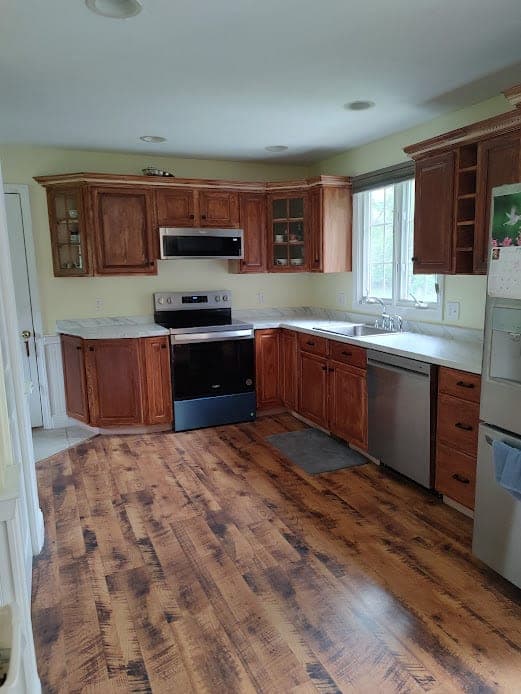
Kitchen Remodeling: What should you decide before Glenn walks through?
Decide how your family actually cooks and gathers before the walk-through, not during it. Think about whether you want to keep the current layout or open it to the dining or living space, whether an island fits, and how much storage you are missing today. Walk your own kitchen at breakfast, dinner prep, and cleanup and note where people bump into each other. Bring any inspiration photos, but be ready to say which parts of those photos actually matter to you versus which parts just look nice. Glenn will ask how the family uses the room, so having real answers ready, not just a mood board, makes the estimate visit shorter and the resulting plan closer to right the first time.
Kitchen Remodeling: What should you ask about cabinets, counters, and finishes?
Ask whether you are keeping the cabinet boxes and refreshing doors and hardware, or replacing everything, since that single choice drives most of the rest of the plan. Ask what counter material fits your cooking habits, since quartz, granite, and butcher block behave differently under heat, knives, and daily wear. Ask how samples are chosen, since CW brings doors, counters, and tile to your home rather than sending you to a showroom, so you can see them under your own lighting. Ask what happens if you want to supply your own appliances or a cabinet line you researched yourself, since coordinating delivery dates matters so nothing sits boxed in the garage.
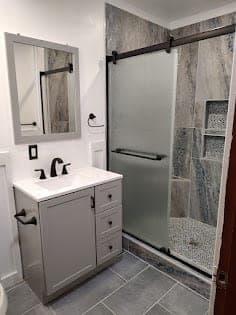
Bathroom Remodeling: What should you decide before the walk-through?
Decide whether the current layout works for your routine or whether the tub, shower, or vanity placement needs to change, since moving plumbing is a different scope than replacing what is already there. Think about who uses the bathroom and how, since a primary bath for two adults and a hall bath for kids call for different fixtures and storage. Note any long-standing complaints, a fan that never clears steam, a shower that never gets warm, a vanity with too little counter space, so they get addressed rather than rebuilt as-is. Bring tile or fixture photos you like, but be ready to explain what you actually want repeated from them.
Bathroom Remodeling: What should you ask about waterproofing and layout?
Ask how the wet walls will be waterproofed and whether you can see the membrane before tile covers it, since this is the part of a bathroom that fails silently if done wrong. Ask whether a curbless or low-curb shower is possible in your space, since that decision affects framing and drainage. Ask about ventilation while the walls are open, since an undersized or poorly vented fan is one of the cheapest problems to fix during a remodel and one of the most expensive to fix afterward. Ask how the crew handles rot or mold if it turns up behind old tile, and what happens to your schedule and price if it does.
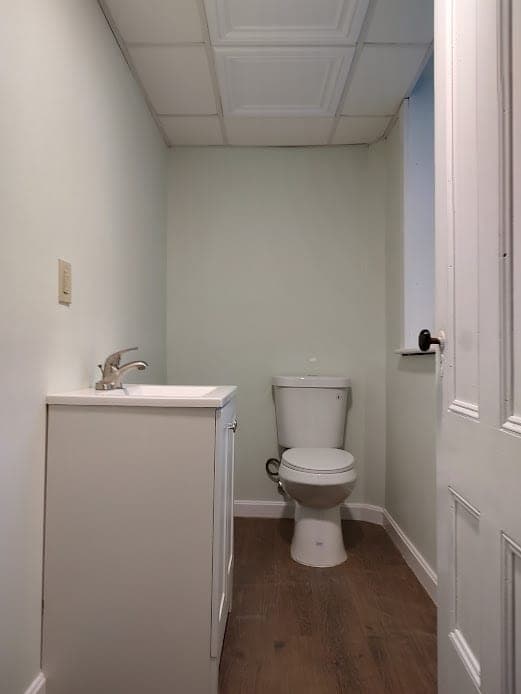
Basement Renovation: What should you know before you plan a finished basement?
Know your basement's moisture history before you plan anything else, since a finish built over an unresolved water problem fails no matter how good the drywall and paint look. Walk the space and look for past water lines, efflorescence on the foundation, or damp corners, and be honest about what you find when Glenn asks. Think about how you actually want to use the space, family room, office, guest suite, home gym, since that shapes ceiling height needs, electrical load, and whether a bathroom makes sense. If a legal bedroom is part of the plan, know that egress is a separate conversation from finishing, since it changes both the permit process and the layout.
Basement Renovation: What should you ask about moisture and mechanicals?
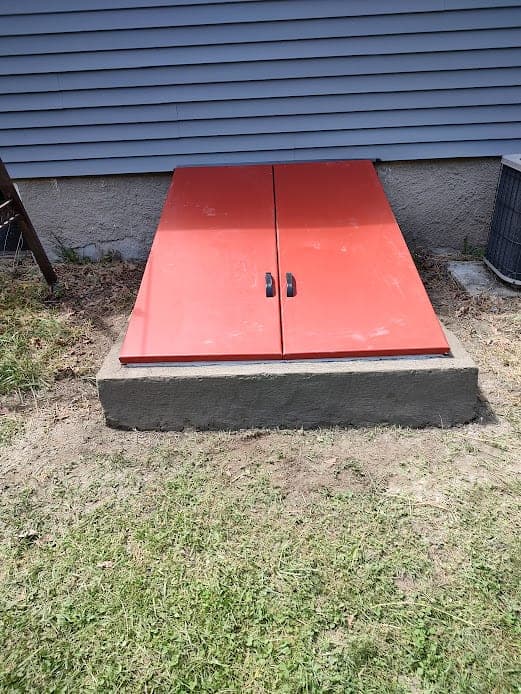
Ask directly whether your basement needs a drainage system addressed before any framing begins, since burying an active moisture problem behind drywall is the single most common reason finished basements fail. Ask how insulation is sequenced against the foundation and at the rim joist, since insulating in the wrong order undermines the rest of the work. If you want a bathroom and there is no drain below the slab, ask about up-flush systems and what the trade-offs are, since they run differently than a gravity drain. Ask how electrical service and layout for a wet bar or kitchenette get planned before drywall closes the walls.
Interior Painting: What should you decide before the color consult?
Decide which rooms actually need paint versus which just need touch-ups, since a whole-house job and a single-room refresh call for different scheduling and prep. Live with sample colors on your own walls under your own lighting before committing, since paint chips and screens rarely match how a color reads in a real room. Think about sheen as much as color, since trim, ceilings, and walls often use different finishes for a reason. If cabinets or trim are part of the job, decide early whether you want a sprayed factory-smooth look or a brushed look, since that changes both the process and the setup required.
Interior Painting: What should you ask about prep and coats?
Ask what prep work is included before paint goes on, filling nail holes, caulking gaps, sanding glossy trim, priming stains, since prep is most of what separates a job that lasts from one that does not. Ask how many coats are planned and whether the second coat waits for proper dry time, since a rushed single coat shows through in certain light. Ask what paint brand and line will be used, since not all paints cover or wear the same way. If cabinets are being painted, ask how doors are prepped and finished versus the boxes, since the two are typically handled differently for the cleanest result.
Exterior Painting: What should you decide before the walk-around?
Walk your own exterior first and note where paint is peeling, where wood looks soft or discolored, and where caulk lines have opened up, since these are the areas that need the most prep time. Decide whether you want the whole house painted or just trim, since soffits, fascia, and window casing are a very different scope than the full body of the house. Think about doors and shutters as a separate decision, since a quick refresh there can change curb appeal without a full exterior job. Have a color in mind, but be ready to see it against your actual siding and trim before committing.
Exterior Painting: What should you ask about prep and paint choice?
Ask how the house will be washed and dried before any paint goes on, since painting over damp or dirty wood is one of the most common reasons exterior paint fails early. Ask what happens to bare wood, nail heads, and open seams during prep, since priming, puttying, and caulking are what make the paint hold. Ask which paint line is being used and why, since premium exterior paint applied at the right temperature and dew point lasts meaningfully longer than a budget product rushed onto the wall. Ask how rot, if found, gets documented and priced before it becomes part of the job.
Flooring: What should you decide before choosing a material?
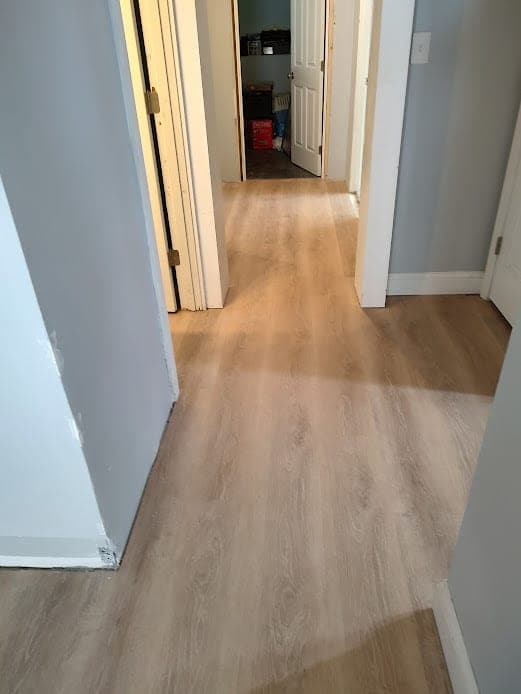
Decide which rooms are getting new flooring and whether moisture, like a kitchen, bathroom, or mudroom, rules out certain materials before you fall in love with a look. Think about how the new flooring will meet existing floors in hallways and doorways, since transitions are easy to overlook until installation day. If you are refinishing existing hardwood, decide whether you want an oil or water-based finish, since they differ in look, smell during the process, and how long you need to stay off the floor. Walk the rooms and check for squeaks, dips, or soft spots now, since those affect subfloor prep more than the finish material itself.
Flooring: What should you ask about subfloor and acclimation?
Ask whether your subfloor is flat enough for the material you want, and what leveling or repair work is included if it is not, since flooring shows every flaw underneath it. Ask how long hardwood or LVP needs to sit in the home before installation, since skipping acclimation is a common reason floors gap or buckle later. Ask whether the new material can go over your existing floor or needs a full tear-out, since substrate and ceiling height both play a role. If tile is planned for a wet area, ask how the subfloor is prepared to handle moisture over time.
Home Renovation: What should you decide before the discovery walk-through?
Think through how your household actually wants to live in the finished space, not just which rooms are getting touched, since a whole-home renovation or addition changes how every room connects to the others. Decide whether you can live in the house during construction or need to plan around a full gut, since phased work that isolates one zone at a time is a different plan than emptying the whole house. If structural changes or drawings are likely, know whether you have an architect in mind or want to use CW's regular partner. Bring a real list of what is not working today, not just a wish list, so the scope writeup reflects your actual priorities.
Home Renovation: What should you ask about scope, drawings, and permits?
Ask whether your project needs architectural drawings and who provides them, since additions and load-bearing wall changes typically require them before permits can move forward. Ask how the paid design phase works if your project needs one, and what you get from it. Ask who pulls permits and how the schedule gets built and updated, since a whole-home project touches more trades and more inspections than a single-room remodel. If you are considering an addition, ask how it will tie into existing mechanicals, heating, plumbing, electrical, rather than being planned as a separate structure.
Home Repair: What should you decide before calling about a repair?
Take a few photos of what is broken before you call or text Glenn, since photos help the crew show up with the right materials the first time. Decide whether the issue is urgent, like an active leak, or something that can wait for the next available slot, since that affects how quickly it gets scheduled. Make a short list if you have more than one small item, a drywall patch, a sticking door, a loose towel bar, since bundling small jobs into one visit is often more efficient than separate calls. Think about whether the repair is a symptom of something larger, like a recurring leak, worth mentioning up front.
Home Repair: What should you ask before the crew arrives?
Ask whether your repair can likely be finished in one visit or whether it needs a follow-up, since some fixes depend on what is found once a wall or fixture is opened up. Ask about the service call structure so you know what is covered in the first hour versus billed afterward. If the job is a punch list cleanup after another contractor or ahead of a sale, say so up front, since that context changes what the crew looks for. Ask whether materials are included or billed separately, since some repairs use stock hardware and others need something matched to your home.
Commercial: What should you decide before the on-site meeting?
Decide which spaces are essential to keep open during the project and which can close temporarily, since that shapes whether work happens during business hours, after hours, or overnight. Think through how construction will affect customers or clients, foot traffic, noise, dust, parking, and be ready to walk the crew through your busiest hours. If the project is a build-out, decide how firm your opening or reopening date is, since that affects sequencing. Gather any lease requirements, landlord approvals, or property manager involvement that might affect the scope, since commercial work often has more stakeholders than a residential project.
Commercial: What should you ask about scheduling around your hours?
Ask whether after-hours or weekend work is realistic for your space, since restaurants and retail often need work done overnight or on days the business is closed. Ask how noisy or disruptive phases, demolition, cutting, will be scheduled relative to your operating hours. Ask how the crew handles cleanup between shifts so the space is presentable for customers or staff the next business day. If your project involves HVAC tie-ins or electrical upgrades, ask how those get coordinated with any existing building systems shared with other tenants. Ask how deliveries and material staging are handled so they do not block entrances during open hours.
Reviews
Same crew. Same standard. Years of receipts.
“I hired CW for multiple projects and Glen is so easy to work with. There pricing has been totally reasonable. They are always on time and do excellent work. I will hire him for any future projects!”
“They did work on my home they were very reliable and kind. The work was great! I had a wonderful experience and Highly recommend them!”
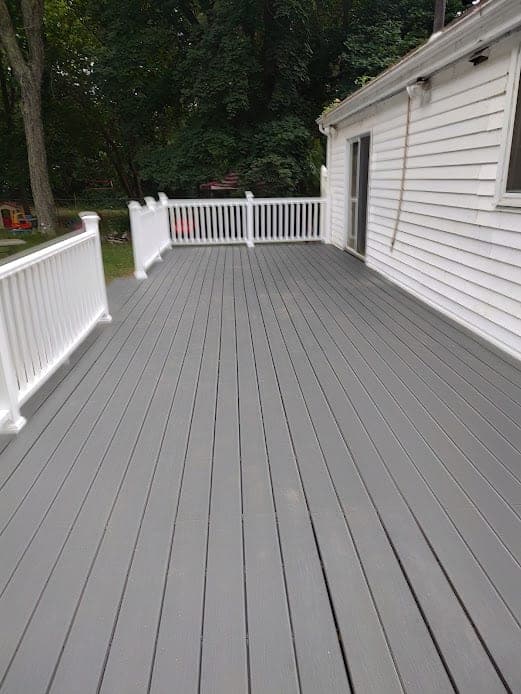
“Glen painted, repaired and built a privacy fence on my deck. It all came out great! Thanks Glen!”
Ready to talk through your project?
Free estimate. Written same week. Glenn walks the project, Megan handles scheduling. No pressure, no salesperson.